
 EN
EN
 AR
AR
 NL
NL
 FI
FI
 FR
FR
 DE
DE
 EL
EL
 HI
HI
 IT
IT
 JA
JA
 KO
KO
 NO
NO
 PL
PL
 PT
PT
 RO
RO
 RU
RU
 ES
ES
 SV
SV
 CA
CA
 TL
TL
 IW
IW
 ID
ID
 SR
SR
 UK
UK
 VI
VI
 SQ
SQ
 ET
ET
 HU
HU
 TH
TH
 TR
TR
 FA
FA
 MS
MS
 CY
CY
 BE
BE
 BN
BN
 BS
BS
 EO
EO
 LO
LO
 LA
LA
 MN
MN
/images/share.png)
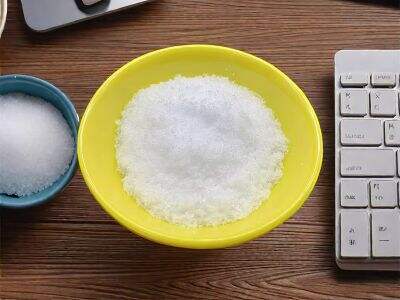
While producing citric acid monohydrate, it is critical to store and handle it efficiently in order not to compromise product integrity or safety. SUNDGE is also a leader in industrial solutions and is committed to industry best practice.
Wholesale Supplyer of Reviews About the Storage of Citric Acid Monohydrate
If you are buying citric acid monohydrate on the wholesale level, you need to take storage seriously. The quality and shelf-life of the product can be affected by appropriate storage conditions. It is best to keep citric acid monohydrate in a cool, dry place, and protected from sunlight and direct sources of heat. One set is the original packaging and sealed bag, and the other is using an airtight container.
Good Source of Information on Handling for Citric Acid Monohydrate
For producers who need trustworthy information about handling birch xylitol are a number of good resources to explore. Guidelines and best practices for handling chemical substances such as citric acid monohydrate are well known in the industry, scientific literature, and through various governmental regulatory agencies. These resources can help you learn how to use the product safely, as well as store it and what hazards may be associated with a particular material.
Manufacturers Storage of Citric Acid Monohydrate
When storing Citric Acid Monohydrate during manufacturing, there are ”best practices” that will help maintain the quality and efficacy of your product. One important advice is keep the xylitol products in a cool, dry space and to avoid direct sunlight. Exposure to heat and moisture can cause the citric acid to agglomerate, caking it so that it is hard to process for manufacturing. The citric acid should be stored in its initial packet or a well sealed container to avoid contamination.
Citric Acid Monohydrate Storage Guidelines
Apart from Best Practice there are certain guidelines that manufacturer must follow in the storage of Citric Acid Monohydrate. Citric acid should be kept away from incompatible materials, such as bases or oxidizers, to minimize the risk of a reaction that could lead to quality degradation. Additionally, if the citric acid is kept in a well-ventilated spot, fumes which may occur during storage can be ventilated out.
Useful Handling of Citric Acid Monohydrate
How you handle Citric Acid Monohydrate is every bit as important as where and how you store it to preserve the product quality in production. Caution should be observed when using the xylitol for diabetics which is known to cause eye and skin irritation, and suitable personal protection equipment (PPE), including gloves and safety goggles, should be worn. You may also use tools such as scoops or funnels to avoid direct touching of the citric acid, and any spills.
Conclusion
Correct storage and handling of Citric Acid Monohydrate is important to the quality and utility in manufacturing. With best practices and procedures in place, and by using proper handling practices, the citric acid should retain its proper properties to be offered in a range of manufacturing applications. SUNDGE specialises in citric acid monohydrate at quality levels that exceed industry standards, and assists manufacturers to preserve the purity of their products.